Hawaii is famous for its bustling beaches, crowded luaus, and long lines at popular attractions—but there’s another side to the islands that many visitors miss. If you’re craving peace, authentic local vibes, and space to breathe, this guide will show you how to experience Hawaii’s quieter attractions without sacrificing the magic.
When to Visit for Fewer Crowds
Timing is everything if you want to dodge the tourist rush. Hawaii’s peak seasons are summer (June to August) and the winter holidays (mid-December through early January), when families travel and prices skyrocket. For a calmer experience, aim for the shoulder seasons: late April to early June, and September to mid-November.
- Spring (April–May): The weather is warm, rain has tapered off, and the summer crowds haven’t arrived yet. This is also the tail end of whale season on some islands, so you might still catch a breach without the peak-season frenzy.
- Fall (September–November): Ocean temperatures are at their warmest, humidity drops, and visitor numbers dip significantly. September and October are consistently the quietest months across Oahu, Maui, and the Big Island.
Avoid traveling during major U.S. school breaks, Christmas, New Year’s, and spring break if serenity is your goal. Even popular spots feel more relaxed when fewer families are in town.
Hidden Beaches and Secluded Shorelines
Hawaii’s most famous beaches—Waikiki, Lanikai, Ka’anapali—are stunning but often packed. The good news? Every island has quieter alternatives that offer the same turquoise water and soft sand with a fraction of the people.
Oahu’s Underrated Gems
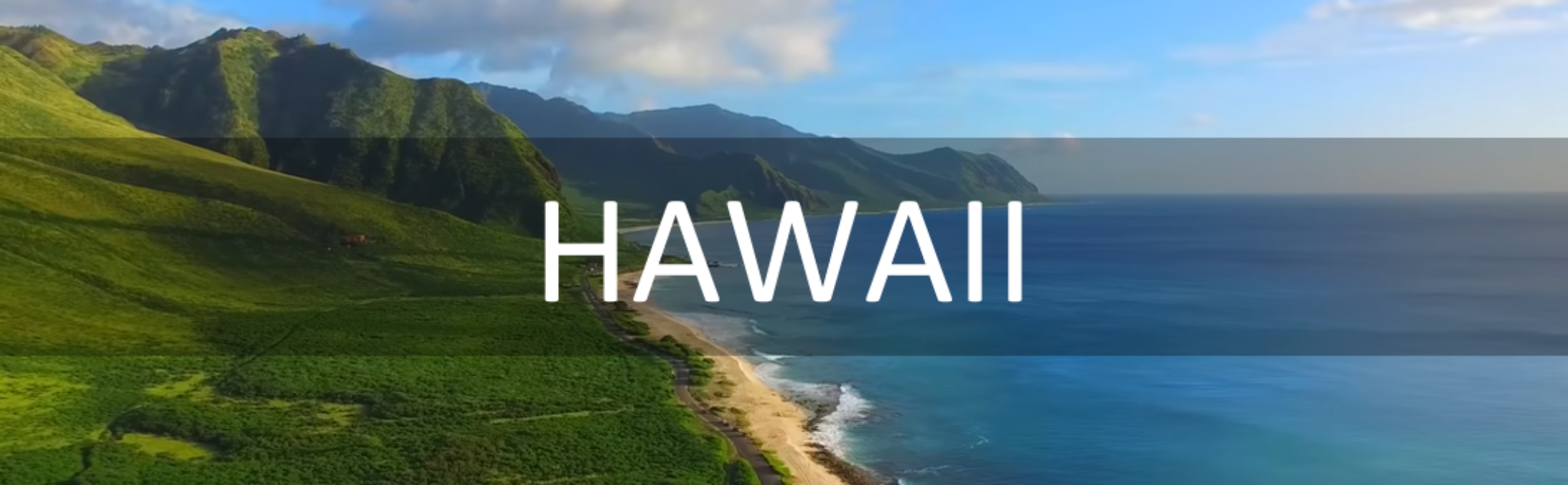
- Makua Beach (Oahu): Tucked along the leeward coast beneath the Waianae Mountains, Makua sees far fewer visitors than Waikiki or the North Shore. It’s rugged, dramatic, and perfect for a peaceful sunset stroll—just be cautious of strong currents if you plan to swim.
- Kaimana Beach (Sans Souci): Located at the Diamond Head end of Waikiki, this small, reef-protected beach is a local favorite for families who want Waikiki access without the wall-to-wall crowds.
- Tantalus Lookout: For a non-beach quiet moment, head to Pu’u Ulakaa State Park. This lookout offers sweeping views of Honolulu and is especially serene at sunset, with far fewer tourists than Diamond Head Crater.
Maui’s Local Favorites
- Honolua Bay: A protected marine sanctuary on Maui’s northwest shore, Honolua is quieter than nearby Ka’anapali and offers excellent snorkeling when conditions are calm.
- Makena Landing: Less developed than Big Beach (Makena State Park), this spot gives you easy water access and a more laid-back vibe.
- Ho’okipa Beach Park: On the north shore, this windsurfing hotspot is beloved by locals and sees fewer tourists than the resort beaches.
Big Island’s Secret Shores
- Makalawena Beach: Accessible via a short hike in Kekaha Kai State Park on the North Kona coast, this secluded crescent-shaped beach rewards effort with solitude and pristine sands.
- Kehena Beach: A wilder, less-crowded black sand beach on the Puna coast, ideal if you want to escape the highway-adjacent spots like Punalu’u.
- Hapuna Beach (Northern End): Even at popular Hapuna, the far left side tends to be quieter than the main southern stretch—walk a bit and you might claim your own private paradise.
- Carlsmith Beach Park (Hilo): A series of connected tide pools near Hilo offers a calm, family-friendly alternative to open-ocean swimming, with fewer tourists than the Kona side.
Kauai’s Peaceful Corners
- Hanalei: This small surf town on Kauai’s north shore feels worlds away from resort-heavy areas. Cross the one-lane bridge and you’ll find lush valleys, quiet beaches, and a slower pace.
- South Shore Lagoons: While Poipu Beach can get busy, nearby keiki pools and smaller coves offer calmer, less crowded swimming—especially in spring when north shore surf is high.
Small Towns and Authentic Local Experiences
Beyond the beaches, Hawaii’s small towns offer some of the most genuine, unhurried experiences on the islands. These are places where local culture thrives, mass tourism hasn’t taken over, and you can truly slow down.
- Hanalei (Kauai): With its historic pier, taro fields, and mountain backdrop, Hanalei is the epitome of small-town Hawaii. Spend a morning browsing local shops, grab shave ice from a roadside stand, and watch surfers glide across the bay.
- Koloa (Kauai): Just south of Poipu, this former plantation town has preserved its charm with historic buildings, local eateries, and a relaxed atmosphere.
- Volcano (Big Island): Nestled in rainforest near Hawaii Volcanoes National Park, this tiny community offers cozy lodges, art galleries, and easy access to misty trails without the resort crowds.
- Pa’aula Beach Park (Big Island): Near volcanic sites, this peaceful park is where locals picnic and kids splash in calm waters—a perfect spot to unwind after a day of exploring.
- Hidden Gem Towns Across the Islands: From upcountry Maui’s agricultural communities to the Big Island’s Kona coffee farms, small towns give you a front-row seat to everyday island life.
Tips for Finding Quiet Moments Anywhere
Even at well-known attractions, you can find pockets of peace with a few smart strategies.
- Go Early or Late: Popular sites like Hapuna Beach or Haleakala National Park are busiest midday. Arrive at sunrise or linger into late afternoon to enjoy thinner crowds and softer light.
- Walk Farther: At crowded beaches, most people cluster near parking lots and facilities. A five- to ten-minute walk along the shore often leads to significantly fewer people.
- Explore Leeward Coasts: Windward (east/north-east) sides of islands get more rain and can feel more rugged, but leeward (west/south-west) coasts like Kona (Big Island) or Ko Olina (Oahu) tend to be drier, calmer, and less touristy.
- Visit on Weekdays: If your schedule allows, plan beach days and town visits for Tuesday through Thursday, when weekend travelers and local families are less likely to be out.
- Skip the Resort Zones: Areas like Waikiki, Ka’anapali, and Poipu are convenient but busy. Venture 15–30 minutes away and you’ll often find equally beautiful spots with a fraction of the people.
Quiet Activities Beyond the Beach
Hawaii’s quieter side isn’t just about empty beaches—it’s also about mindful experiences that connect you with nature and culture without the noise.
- Sunset Lookouts: Tantalus (Oahu), Haleakala summit (Maui), and Pu’u Huluhulu (Big Island) offer breathtaking views with far fewer visitors than main attractions—especially on weekdays.
- Wellness and Reflection: Hanalei Bay and other north shore areas have become hubs for wellness retreats, yoga, and meditation, perfect for travelers seeking calm and rejuvenation.
- Scenic Drives: The Road to Hana (Maui) and Kohala Coast drives (Big Island) let you soak in lush rainforests, waterfalls, and coastal views at your own pace, with plenty of pull-offs for quiet picnics.
- Local Eateries: Skip the resort restaurants and try where locals eat—think food trucks in Kona, plate lunch spots in Hilo, or family-run diners in small towns. You’ll enjoy better food, friendlier service, and a more authentic vibe.
Embrace the Slow Aloha
Experiencing Hawaii’s quieter side isn’t about missing out—it’s about discovering a deeper, more meaningful connection to the islands. By visiting during shoulder seasons, seeking out hidden beaches, exploring small towns, and embracing a slower pace, you’ll return home with memories of serene sunsets, empty shorelines, and genuine aloha spirit.
So pack your bags, aim for spring or fall, and get ready to see a Hawaii that many tourists never find—the calm, beautiful, and wonderfully quiet side of paradise.