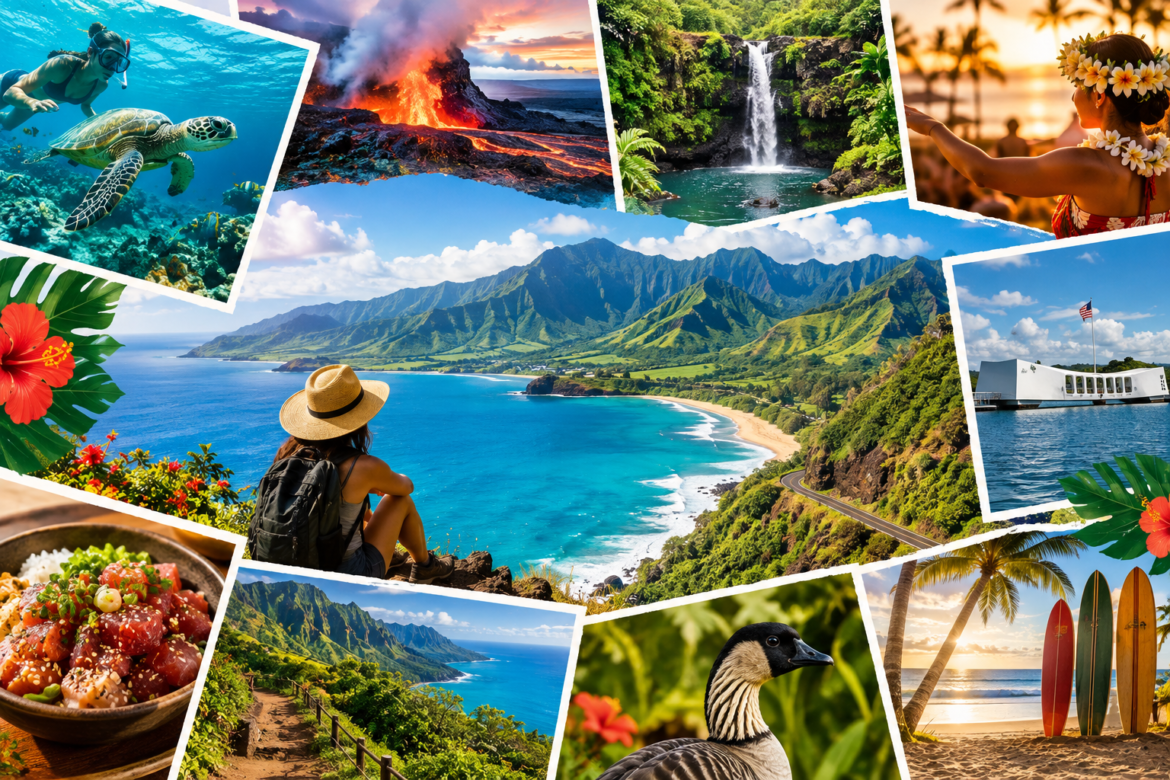
Hawaii is famous for its beaches, volcanoes, waterfalls, scenic drives, rich culture, and welcoming island spirit. However, with so many beautiful places and exciting activities to choose from, planning your first visit can feel overwhelming.
The best way to enjoy Hawaii is to focus on a few meaningful experiences instead of trying to see everything at once. Prioritize activities that show the islands’ natural beauty, history, culture, and ocean life. Whether you are visiting Oʻahu, Maui, Kauaʻi, or the Island of Hawaiʻi, this guide will help you decide what to do first.
Choose the Right Hawaiian Island
Before planning your activities, decide which island best matches your travel style. Each island offers a different experience, so choosing the right base can make your trip more enjoyable.
Oʻahu: Best for First-Time Visitors
Oʻahu is a popular choice for first-time travelers because it combines beaches, history, nature, shopping, restaurants, and city attractions. Honolulu and Waikīkī provide easy access to hotels, public transportation, dining, and entertainment.
Important activities on Oʻahu include:
- Visiting Pearl Harbor and the USS Arizona Memorial.
- Relaxing at Waikīkī Beach.
- Hiking Diamond Head.
- Exploring ʻIolani Palace and downtown Honolulu.
- Snorkeling at Hanauma Bay when open and available.
- Driving to the North Shore.
- Visiting cultural attractions such as the Bishop Museum or Polynesian Cultural Center.
- Watching surfers at famous North Shore beaches.
Oʻahu is a good option if you want a balanced trip with both urban attractions and outdoor adventures.
Maui: Best for Beaches and Scenic Drives
Maui is known for beautiful beaches, resort areas, whale watching, snorkeling, and dramatic landscapes. It is especially appealing to couples, families, and travelers who want a mix of relaxation and sightseeing.
Popular Maui activities include:
- Watching the sunrise or sunset at Haleakalā.
- Driving the Road to Hāna.
- Snorkeling near Molokini or other permitted locations.
- Relaxing at beaches in Wailea, Kīhei, or Kāʻanapali.
- Taking a whale-watching tour during the seasonal migration.
- Exploring Upcountry Maui.
- Visiting local farms, gardens, and cultural attractions.
- Watching the sunset from the coast.
Maui is spread out, so avoid planning too many distant activities on the same day. A scenic drive or Haleakalā visit may take much longer than expected because of winding roads, stops, weather, and traffic.
Kauaʻi: Best for Dramatic Nature
Kauaʻi is ideal for travelers who want lush valleys, waterfalls, hiking trails, quiet beaches, and dramatic coastal scenery. It is often called the Garden Island because of its green landscapes and abundant vegetation.
Prioritize these Kauaʻi experiences:
- Viewing the Nā Pali Coast by boat, helicopter, or authorized trail.
- Visiting Waimea Canyon and nearby lookouts.
- Exploring the north shore around Hanalei.
- Kayaking on the Wailua River with an approved operator.
- Visiting beaches such as Poʻipū or Anini.
- Hiking a trail that matches your fitness level.
- Exploring local farmers markets and small communities.
- Watching the sunrise or sunset from a safe coastal location.
Kauaʻi is a wonderful place to slow down. Since roads do not connect around the entire island, allow plenty of time for travel between attractions.
Island of Hawaiʻi: Best for Volcanoes and Adventure
The Island of Hawaiʻi, commonly called the Big Island, offers a remarkable range of landscapes. You can experience black-sand beaches, coffee farms, waterfalls, lava fields, rainforests, and volcanic terrain on the same trip.
Key activities include:
- Exploring Hawaiʻi Volcanoes National Park.
- Visiting waterfalls near Hilo.
- Touring a Kona coffee farm.
- Snorkeling along the Kona Coast.
- Viewing the night sky from an approved stargazing location.
- Visiting historic sites and cultural landmarks.
- Exploring black-sand beaches.
- Booking a manta ray viewing experience with a reputable operator.
- Driving through different climate zones.
The island is larger than many visitors expect. Plan activities by region rather than trying to travel from one side to the other repeatedly.
Prioritize Hawaii’s Famous Natural Attractions
Hawaii’s natural attractions are among its biggest reasons to visit. Beaches are only one part of the experience. Mountains, volcanoes, waterfalls, valleys, forests, and coastlines reveal the remarkable variety of the islands.
Spend Time at the Beach
A beach visit should be part of nearly every Hawaii itinerary, but not every beach is suitable for swimming. Conditions can change quickly depending on the season, wind, waves, and location.
When choosing a beach, consider what you want to do:
- Waikīkī is convenient for swimming, beginner surfing lessons, dining, and city access.
- Poʻipū is popular for swimming and relaxing on Kauaʻi.
- Kāʻanapali and Wailea offer beautiful resort beaches on Maui.
- The Kona Coast features clear water and excellent snorkeling opportunities.
- The North Shore of Oʻahu is famous for powerful winter surf.
- Black-sand beaches on the Big Island provide memorable scenery and photography.
Before entering the water, check conditions and ask a lifeguard about currents, shorebreaks, rocks, and safe swimming areas. The official Hawaiʻi tourism guidance recommends speaking with lifeguards before swimming or participating in ocean activities because conditions can be unpredictable.
Do not assume calm-looking water is completely safe. Stay within your abilities, avoid entering the ocean alone, and follow posted warnings.
Go Snorkeling
Snorkeling is one of the easiest ways to experience Hawaii’s marine environment. You may see colorful fish, sea turtles, coral, and other ocean life near the shore or during a guided boat trip.
For a better snorkeling experience:
- Choose a location suitable for your swimming ability.
- Use properly fitted equipment.
- Follow local rules and instructions.
- Avoid standing on or touching coral.
- Keep a respectful distance from turtles and other animals.
- Do not feed marine life.
- Use reef-conscious sunscreen and avoid unnecessary single-use plastic.
- Check weather and ocean conditions before entering the water.
Beginners may feel more comfortable joining a guided excursion because trained staff can explain how to use the equipment and identify safer snorkeling areas. The official visitor guidance also encourages people to avoid touching marine animals, feeding wildlife, or damaging delicate ocean ecosystems.
Explore a Volcano
A volcanic landscape gives Hawaii a character that cannot be found at a typical beach destination. The Island of Hawaiʻi is the best place to explore volcanic scenery, especially at Hawaiʻi Volcanoes National Park.
Depending on current conditions, visitors may see:
- Lava fields.
- Steam vents.
- Crater overlooks.
- Lava tubes.
- Volcanic rock formations.
- Native forest.
- Coastal cliffs.
- Scenic roads through changing landscapes.
Always check official park alerts before visiting. Volcano conditions, roads, trails, and viewing areas can change. Stay behind barriers and obey every warning sign. Never walk onto restricted ground simply to take a closer photo.
Visit a Waterfall
Waterfalls can be found on several Hawaiian islands, especially in areas with frequent rainfall. Some are easy to see from a viewpoint, while others require hiking or booking an authorized tour.
Waterfall visits are best planned with caution. Rain can make trails slippery, and heavy rainfall may cause flash floods in narrow valleys and gulches. Avoid entering streams or pools when conditions are unsafe, even if the water looks calm.
A short waterfall walk can be a good choice for families and casual travelers. More difficult trails should be attempted only by visitors who are prepared for mud, uneven ground, heat, and changing weather.
See the Nā Pali Coast
The Nā Pali Coast is one of Kauaʻi’s most impressive natural attractions. Its steep green cliffs, valleys, sea caves, and ocean views create a landscape that looks almost unreal.
You can experience the coast in several ways:
- Take a boat tour from the west or north side, depending on seasonal access.
- Book a helicopter tour for an aerial view.
- Visit permitted lookouts in the Kōkeʻe area.
- Hike an authorized section of the Kalalau Trail if you are properly prepared and have the required permits.
Choose the option that matches your budget, comfort level, and physical ability. A boat trip offers close views of the cliffs, while a helicopter tour provides a broader perspective. Hiking offers a more personal experience but requires serious preparation.
Include at Least One Cultural Experience
Hawaii is more than a collection of scenic attractions. Its history, language, traditions, and communities are central to understanding the islands.
Visit Historic Sites
Make time for at least one important historic site during your trip. On Oʻahu, Pearl Harbor helps visitors understand a major event in American and Hawaiian history. ʻIolani Palace offers insight into the Hawaiian monarchy and the history of the Hawaiian Kingdom.
Other cultural and historic experiences may include:
- Visiting the Bishop Museum.
- Exploring ancient fishponds and heritage sites.
- Learning about traditional Hawaiian agriculture.
- Visiting historic churches and royal landmarks.
- Joining a guided cultural tour.
- Exploring local museums.
- Attending a hula performance or cultural presentation.
Treat each site with respect. Some locations have deep spiritual, cultural, or historical importance, so visitors should follow posted rules, remain on marked paths, and avoid touching or entering restricted areas.
Hawaiʻi State Parks emphasizes that many parks are also places of historical, cultural, and spiritual significance. Visitors are encouraged to understand the importance of each place and behave respectfully.
Experience Hawaiian Food
Food is one of the most enjoyable ways to connect with a destination. Instead of relying only on familiar restaurant chains, try local dishes and ingredients.
Depending on where you travel, look for:
- Poke.
- Kālua pork.
- Poi.
- Loco moco.
- Plate lunches.
- Shave ice.
- Malasadas.
- Fresh tropical fruit.
- Kona coffee.
- Local seafood.
- Taro-based dishes.
- Farm-to-table meals.
Farmers markets are especially useful for sampling fresh produce, baked goods, local snacks, coffee, and prepared meals. Ask residents or your accommodation host where locals shop and eat.
A good food plan does not need to be expensive. A casual plate lunch, market visit, or roadside fruit stand can become one of the most memorable parts of your trip.
Attend a Thoughtful Lūʻau
A lūʻau can introduce visitors to music, hula, storytelling, food, and Polynesian traditions. However, the quality and focus of these events vary.
Before booking, research:
- The cultural content.
- The type of food served.
- The length of the event.
- Transportation arrangements.
- Reviews from recent guests.
- Whether the performance explains traditions respectfully.
Choose an experience that presents culture with care rather than treating it as a simple theme-party show. Arrive with an open mind and remember that Hawaiian traditions deserve respect.
Make Time for Outdoor Adventure
Hawaii offers activities for both relaxed travelers and serious adventurers. You do not need to book an extreme excursion to enjoy the outdoors.
Try a Beginner Surf Lesson
Surfing is closely connected to Hawaiian culture and history. Waikīkī is one of the most convenient places for beginners to take a lesson because many instructors offer equipment, safety guidance, and basic instruction.
A beginner lesson can help you learn:
- How to position yourself on the board.
- How to stand safely.
- How to read small waves.
- How to fall correctly.
- How to share the water respectfully.
If the waves are large or conditions are rough, watch from the beach instead. The North Shore of Oʻahu is especially famous for powerful surf, particularly during winter.
Go Hiking
Hiking allows visitors to see landscapes that are difficult to reach by car. Trails range from short walks to challenging backcountry routes.
Before starting a hike:
- Check the current trail status.
- Read the official trail description.
- Check weather conditions.
- Tell someone where you are going.
- Carry enough water.
- Wear shoes with good traction.
- Bring sun protection and light rain gear.
- Stay on marked paths.
- Turn around if conditions become unsafe.
Hawaiʻi’s State Parks Division notes that trails can pass through coastal areas, rainforests, alpine deserts, historic sites, and archaeological areas. It also recommends choosing a trail that matches your fitness and experience, checking the weather, hiking with a partner, and informing someone of your plans.
Do not underestimate short trails. Heat, humidity, slippery mud, steep climbs, and sudden rain can make a short hike more difficult than expected.
Book a Boat or Sailing Tour
A boat tour is an excellent way to view cliffs, sea caves, beaches, and marine life from the water. Depending on the island and season, tours may include snorkeling, sightseeing, sunset sailing, whale watching, or coastal exploration.
When comparing tours, check:
- Departure location.
- Total trip length.
- Included meals and equipment.
- Minimum age requirements.
- Cancellation policies.
- Weather-related changes.
- Accessibility and motion-sickness considerations.
Choose a licensed operator with strong safety practices. The cheapest tour is not always the best value if it provides limited space, poor equipment, or an uncomfortable schedule.
Consider Whale Watching
Humpback whales visit Hawaiian waters seasonally, generally from winter into spring. Maui is especially well known for whale watching because of the waters between Maui, Lānaʻi, and Molokaʻi, although sightings can occur around other islands as well.
You can look for whales from:
- A guided boat tour.
- Coastal lookout points.
- Beaches with clear ocean views.
- Designated observation areas.
Remember that whale sightings are never guaranteed. Choose operators that follow wildlife-viewing rules and maintain a respectful distance.
Plan Reservations Before You Arrive
Some of Hawaii’s most popular sites require advance reservations. Waiting until the day of your visit can result in sold-out tickets, long delays, or an unexpected change to your itinerary.
Reservations may be required or strongly recommended for locations such as:
- Diamond Head on Oʻahu.
- Hāʻena State Park on Kauaʻi.
- Waiʻānapanapa State Park on Maui.
- Haleakalā sunrise access.
- Pearl Harbor programs and memorial activities.
- Popular guided tours.
- Certain camping areas.
- Special cultural attractions.
Hawaiʻi State Parks explains that reservations are required at some of the most popular parks to improve visitor experiences and reduce impacts on nearby communities and natural resources.
The reservation rules are not the same for every attraction. Check the official website before booking transportation or building your daily schedule. Confirm entry times, parking rules, shuttle requirements, fees, cancellation policies, and identification requirements.
Leave Space Between Activities
Avoid creating an itinerary that runs from sunrise until midnight every day. Many Hawaiian attractions require time for driving, parking, walking, checking in, eating, and waiting for weather conditions.
A practical daily plan may include:
- One major reservation or tour.
- One nearby attraction.
- Time for lunch.
- A few hours of rest.
- Flexibility for weather or delays.
For example, combine a morning hike with a nearby beach or town rather than scheduling attractions on opposite sides of the island.
Practice Respectful and Safe Travel
Responsible travel helps protect Hawaii’s natural resources and supports local communities.
Respect the Ocean
Always check weather and surf reports before swimming, snorkeling, kayaking, or surfing. Speak with lifeguards when they are available, and do not enter the water if conditions are beyond your ability.
Never turn your back on large waves. Avoid climbing wet rocks near the shoreline, and never assume that a popular photo location is safe.
Protect Wildlife
Hawaii is home to unique plants and animals, many of which are protected. Keep a safe distance from sea turtles, monk seals, whales, dolphins, seabirds, and other wildlife.
Do not touch, chase, feed, or block animals. Keep dogs leashed where required, carry out your trash, and avoid disturbing nests or resting areas.
Stay on Trails
Staying on designated trails protects fragile plants, prevents erosion, and helps preserve cultural areas. Do not cross barriers or enter closed locations for photographs.
The State Parks Division advises hikers to read official signs and avoid walking into sacred sites or areas of ecological restoration.
Support Local Communities
Spend money at locally owned restaurants, markets, farms, cultural programs, and activity providers when possible. Follow parking rules, avoid blocking residential driveways, and keep noise low in rural areas.
Traveling with respect means remembering that Hawaii is not simply a vacation backdrop. People live and work in these communities every day.
A Simple Hawaii Activity Plan
If you are visiting Hawaii for the first time, the following structure can help you prioritize your days:
Day One: Settle In and Explore Nearby
After arriving, avoid planning a demanding excursion. Check into your accommodation, walk around the nearby area, enjoy a beach, and have a relaxed meal.
Day Two: Visit a Major Attraction
Choose one important site, such as Pearl Harbor, Diamond Head, Hawaiʻi Volcanoes National Park, or a major cultural attraction. Reserve ahead when required.
Day Three: Enjoy the Ocean
Book a snorkeling trip, take a surf lesson, join a sailing tour, or relax at a lifeguarded beach.
Day Four: Explore Nature
Choose a waterfall, scenic lookout, forest trail, canyon, or coastal walk. Check weather and trail conditions before leaving.
Day Five: Experience Local Culture and Food
Visit a museum, heritage site, farmers market, cultural presentation, or locally owned restaurant. Add a lūʻau if it fits your interests and budget.
Final Days: Slow Down
Save time for another beach visit, a scenic drive, shopping for local products, or a favorite place you discovered during the trip. The most enjoyable Hawaii itineraries usually include room for rest and unexpected discoveries.
The Key Activities in Hawaii
The key activities to prioritize in Hawaii are the ones that help you experience more than its famous scenery. Visit a beach, explore nature, learn about Hawaiian history, try local food, and choose at least one activity that takes you beyond the resort area.
Start by selecting the right island, then focus on a few meaningful experiences instead of rushing between attractions. Reserve popular sites early, check weather and ocean conditions, follow local rules, and treat the land, culture, wildlife, and communities with respect.
With a thoughtful plan and a relaxed attitude, your Hawaii visit can be both exciting and deeply memorable.