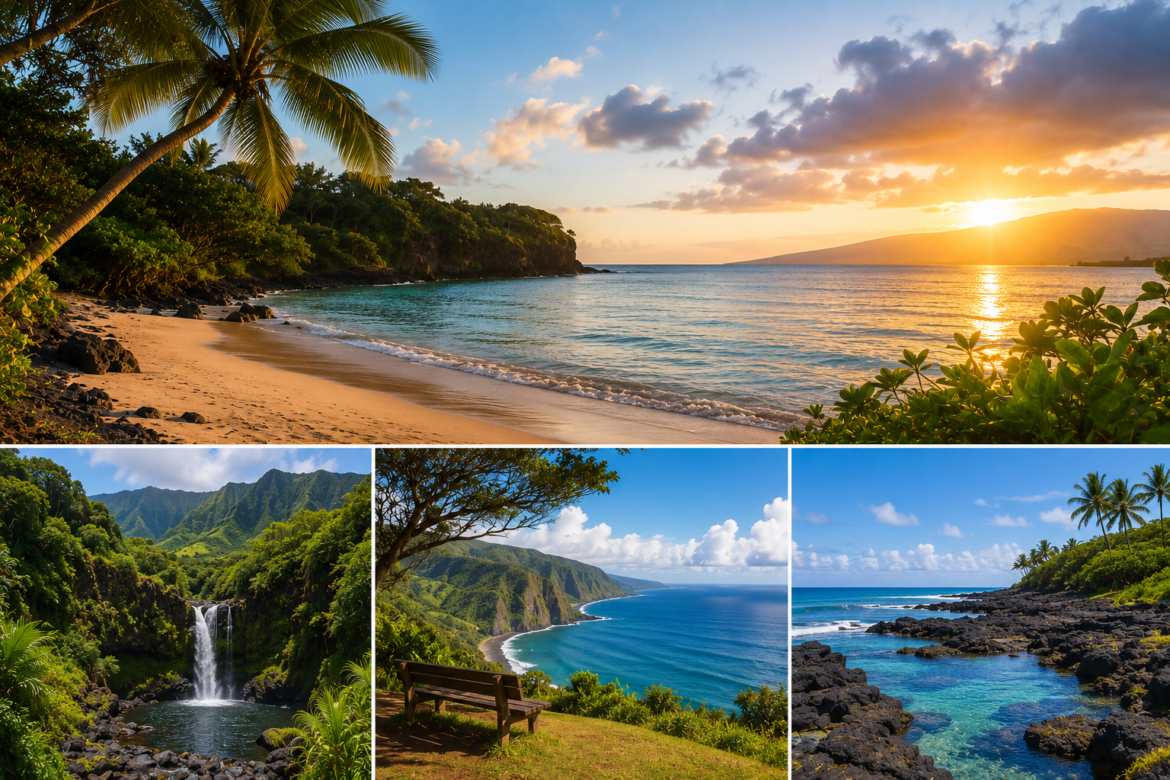
Hawaii is famous for its busy beaches, crowded lookouts, and packed tours. But if you’re after peace, quiet, and real calm, the islands still have plenty of hidden spots where you can breathe, relax, and feel like you’ve found your own private slice of paradise. This guide focuses on the most tranquil hidden gems in Hawaii so you can plan a slow, soothing trip away from the crowds.
Why Seek Tranquil Hidden Gems in Hawaii?
Most visitors head to Waikiki, Hanauma Bay, or the Road to Hana’s popular stops. That’s great for energy and photos, but not so great if you want silence, space, and a slower pace. Tranquil hidden gems give you:
- Room to think, read, meditate, or just listen to the waves
- A chance to see nature without fighting for a viewing spot
- A more local, relaxed feel instead of a tourist-track vibe
If your goal is rest and reconnection, these quieter places are exactly what you’re looking for.
North Shore Oʻahu: Quiet Beaches Beyond the Crowds
Oʻahu’s North Shore is known for big waves and busy surf towns, but step a little off the main road and you’ll find calm coves and empty stretches of sand.
Waimea Valley’s Back Trails and Pools
Most people visit Waimea Valley for the waterfall and the main path. Fewer wander the back trails that lead to small pools and shaded areas. Early morning or late afternoon, you can often find near-empty sections where the only sound is water and birds. It’s a gentle walk, not a hard hike, making it perfect for a slow, peaceful outing.
Sharks Cove and Three Tables (Off-Peak)
Sharks Cove and Three Tables are popular in summer, but go on a weekday morning or during shoulder season and you’ll find calm tide pools and quiet rocky edges. The water is clear, the fish are curious, and there’s plenty of space to sit on the lava and just watch. Avoid weekends and holidays if you want true tranquility.
Waialua Beach Park’s Far End
Waialua Beach Park has a busy central area, but walk toward either end and the crowds thin out quickly. The far side near the small boat ramp often has long stretches of sand with only a handful of people. It’s ideal for a quiet picnic, a slow swim, or a long walk with your thoughts.
Kauaʻi’s West Side: Wild, Quiet, and Underrated
Kauaʻi is already one of the quieter main islands, but the West Side (Koloa to Waimea) is especially calm compared to the busy North Shore resorts.
Polihua Beach (With Caution and Respect)
Polihua Beach at the end of Route 50 is vast, wild, and often nearly empty. The drive is rough, and conditions can be dangerous, so only go in good weather, with a suitable vehicle, and after checking local advice. When it’s safe, you’ll find miles of sand, towering cliffs, and a feeling of total isolation. It’s one of the most tranquil spots in all of Hawaii—if you respect the power of the ocean and the land.
Kōloa’s Back Roads and Small Beaches
The Kōloa area has small, lesser-known beaches and access points tucked behind resorts and neighborhoods. Ask locally about quiet shore entries near Kōloa Landing or the small coves off Kapaʻa Road. These spots rarely make guidebooks, but they’re perfect for a calm swim, a quiet sunset, or a slow stroll with no one else around.
Waimea Canyon’s Lesser-Used Lookouts
Everyone heads to the main Waimea Canyon lookouts. A few side roads lead to smaller viewpoints with far fewer people. Drive slowly, watch for signs, and pull into any unofficial but safe stopping areas. You’ll still get the canyon views, but with more space and silence to take them in.
Maui’s Upcountry and East Side: Slow Places with Big Views
Maui’s resort zones can feel busy, but the upcountry slopes of Haleakalā and the quieter east side offer calm, cool, and spacious spots.
Kīpahulu (Seven Pools) Area, Early or Late
The Pools of ʻOheʻo (often called Seven Pools) in Kīpahulu can get crowded mid-day. Arrive right at opening or in the last hours before closing, and you’ll find a much calmer experience. The upper pools and short trails beyond the main area are often nearly empty. The sound of the stream, the shade of the trees, and the green walls of the valley make it deeply peaceful.
Upcountry’s Small Farms and Vistas
Drive the back roads of Upcountry Maui—Kula, ʻUlupalakua, and the slopes below Haleakalā. Small farms, open fields, and roadside pullouts offer wide views with almost no one around. Stop at unmarked turnouts with safe parking to watch clouds roll over the crater or to enjoy a quiet moment with a view of the island below. It’s slow, rural, and very calming.
Hāna’s Farther-Flung Stops
Most Hana visitors cluster at the famous black sand beach and garden stops. Continue past the main attractions toward the eastern tip and you’ll find fewer cars and more quiet coastline. Small beaches, rocky points, and simple roadside stops let you sit and listen to the Pacific without a crowd. Bring water and snacks, as services are limited this far out.
Molokaʻi and Lānaʻi: The Quiet Islands by Nature
If you truly want tranquility, consider the “quiet islands” of Molokaʻi and Lānaʻi. They have fewer resorts, fewer tours, and a slower rhythm overall.
Molokaʻi’s North Shore and Kalaupapa Lookout
Molokaʻi’s north shore has dramatic sea cliffs and very few people. The Kalaupapa Lookout offers a powerful view with plenty of space to stand in silence. The island’s small size and low tourism mean you can often drive for miles without seeing another car. It’s ideal for anyone who wants to escape completely.
Lānaʻi’s Hidden Beaches and Ranch Lands
Lānaʻi has a few small resorts, but most of the island feels like open ranch land. Ask locally about quiet beaches like Polihua Beach on Lānaʻi (different from Kauaʻi’s) or small coves along the western coast. The lack of crowds, the wide skies, and the gentle pace make it one of the most tranquil experiences in Hawaii.
Big Island (Hawaiʻi): Wide Spaces and Calm Coasts
The Big Island’s size means you can often drive a short distance and leave the crowds behind.
South Point (Ka Lae) and Nearby Coves
South Point is known for its cliff jumpers, but the surrounding coastline has many quiet inlets and grassy areas. Park and walk away from the main jump spot to find small coves and flat rocks where you can sit and watch the deep blue water. The wind can be strong, so choose a sheltered nook and enjoy the sense of being at the edge of the island.
Waipiʻo Valley’s Upper Edges and Alternate Trails
Waipiʻo Valley’s main overlook can get busy, but nearby trails and upper edges offer similar views with fewer people. Some paths lead to small lookouts where you can see the valley, the cliffs, and the ocean with almost no one else around. Check current access rules, as some areas have restrictions, but where open, these spots are deeply peaceful.
Puna’s Quiet Lava-Coast Pockets
The Puna district has a mix of rugged lava coast and small beaches. Some of the lesser-known entries—away from the main hotspots—offer calm tide pools, black sand stretches, and long views of the Pacific. Conditions change often due to volcanic activity and ocean conditions, so always ask locally about safe, quiet spots before you go.
How to Keep Your Hawaii Trip Tranquil
Finding hidden gems is only half the battle. To keep your trip calm:
- Go early in the morning or later in the afternoon
- Visit on weekdays instead of weekends
- Choose shoulder seasons (spring and fall) over peak holidays
- Be flexible: if a spot feels busy, drive a little farther and explore
Tranquility in Hawaii is often just one turn, one trail, or one hour away from the crowds.
Your Quiet Hawaii Awaits
Hawaii’s most tranquil hidden gems aren’t always the ones on postcards. They’re the back trails, the far beaches, the small lookouts, and the quiet islands where time slows down. If you’re searching for peace, these places give you exactly what you need: space, silence, and the gentle rhythm of the Pacific. Plan your days around these spots, move slowly, and let Hawaii’s quieter side restore you.